MOSAIC
Turning one static worksheet into a personalized learning path, shaped by each student’s knowledge, motivation, and skills.
Introductory programming classes span students who have coded for years and students who have never seen a loop, and motivation varies as much as knowledge. A single static worksheet bores some and loses others: without personalization, 25–30% of low-knowledge students never finished.
MOSAIC builds on FACET, developed by Gonnermann-Müller and colleagues at the Weizenbaum Institute, which uses LLMs to generate differentiated worksheets from an instructor’s own materials. MOSAIC extends it into a richer learner model that combines knowledge, motivation, and skills, and varies scaffolding, explicitness, and tone for each student while the instructor keeps control of the content.
In a first study with 409 CS1 students learning regular expressions, personalized worksheets lifted completion above 99% in every profile. The low-knowledge, low-motivation group gained 18.2% in correctness, a statistically significant result, while perceived challenge stayed the same: personalization acted as a retention scaffold, not a shortcut. The project is now extending its learner model to neurodivergent learners.
People
CORE Lab
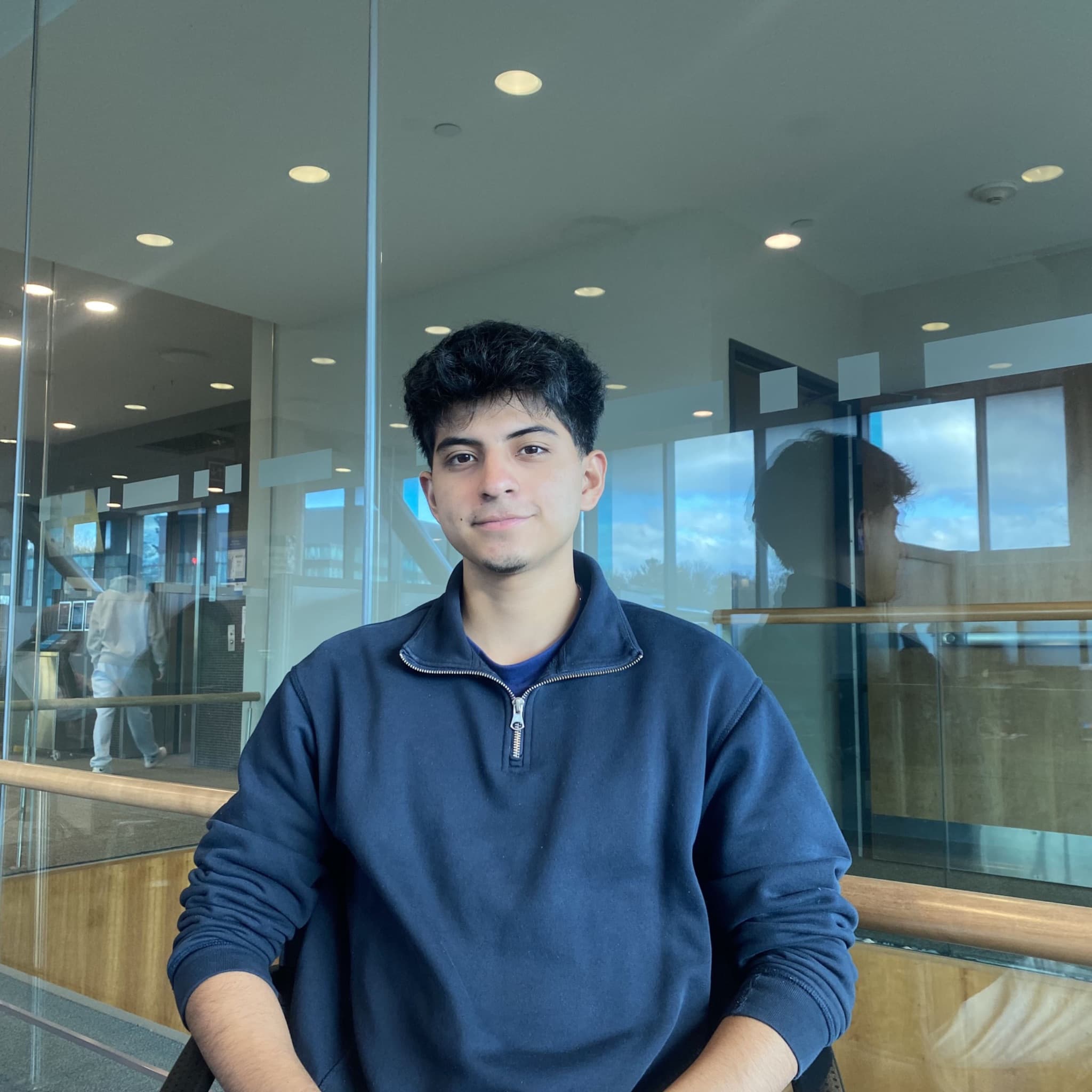
- Franco OrtizFormer Undergraduate Researcher, CORE Lab
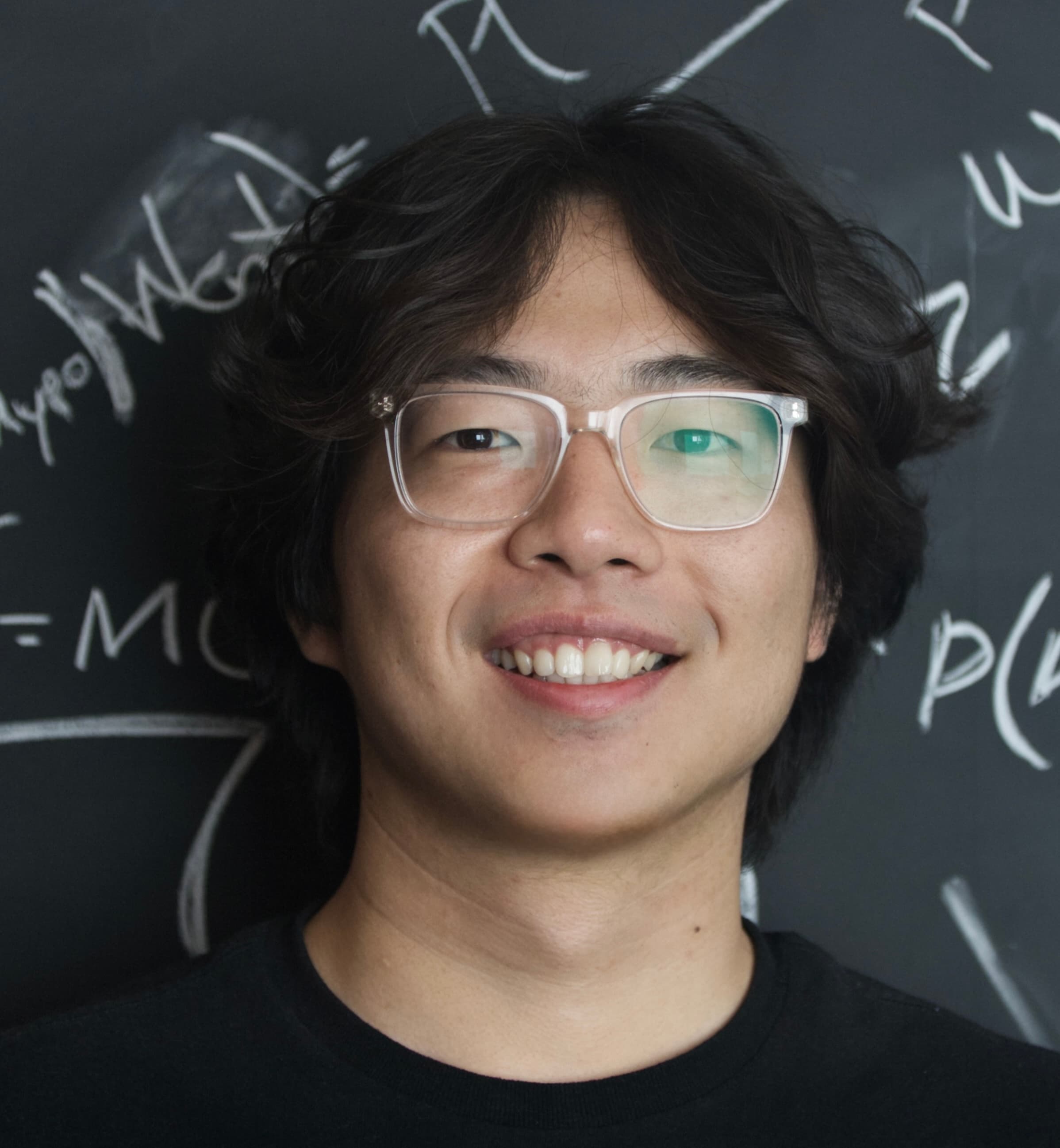
- Harry (Runlong) YePh.D. Student, Computer Science, University of Toronto
- Michael LiutCo-Director, CORE Lab; Associate Professor, Teaching Stream, University of Toronto Mississauga
- Aayush PatelUndergraduate Student, University of Toronto Mississauga
- Kaiden RaiUndergraduate Student, University of Toronto Mississauga


Collaborators

Papers
- Franco Ortiz, Runlong Ye, Michael Liut."Beyond One-Size-Fits-All Exercises: Personalizing Computer Science Worksheets with Large Language Models" Proceedings of the 31st ACM Conference on Innovation and Technology in Computer Science Education V. 1. (2026).[doi][]